How we work with you
We don't start with a product demo or a statement of work. We start by learning how your company actually operates. Then we build software that fits.
Designed to deliver value before asking you to commit
01
Operational diagnostic
3-7 days
We map your operations end to end, shadow workflows, and identify where you carry the most risk and have the least visibility. You get a process map, risk analysis, and clear picture of high-impact opportunities.
02
Trial engagement
6-10 weeks
We build the highest impact solution with the smallest meaningful scope. Test with your team as we go. If it doesn't deliver value, walk away—no long-term commitment unless you see results.
03
Ongoing partnership
Ongoing
Once live, we expand to other teams and workflows. Our operational context compounds—each build is faster because we already understand your terminology, data, and edge cases.
Software that understands your operation, not just your data
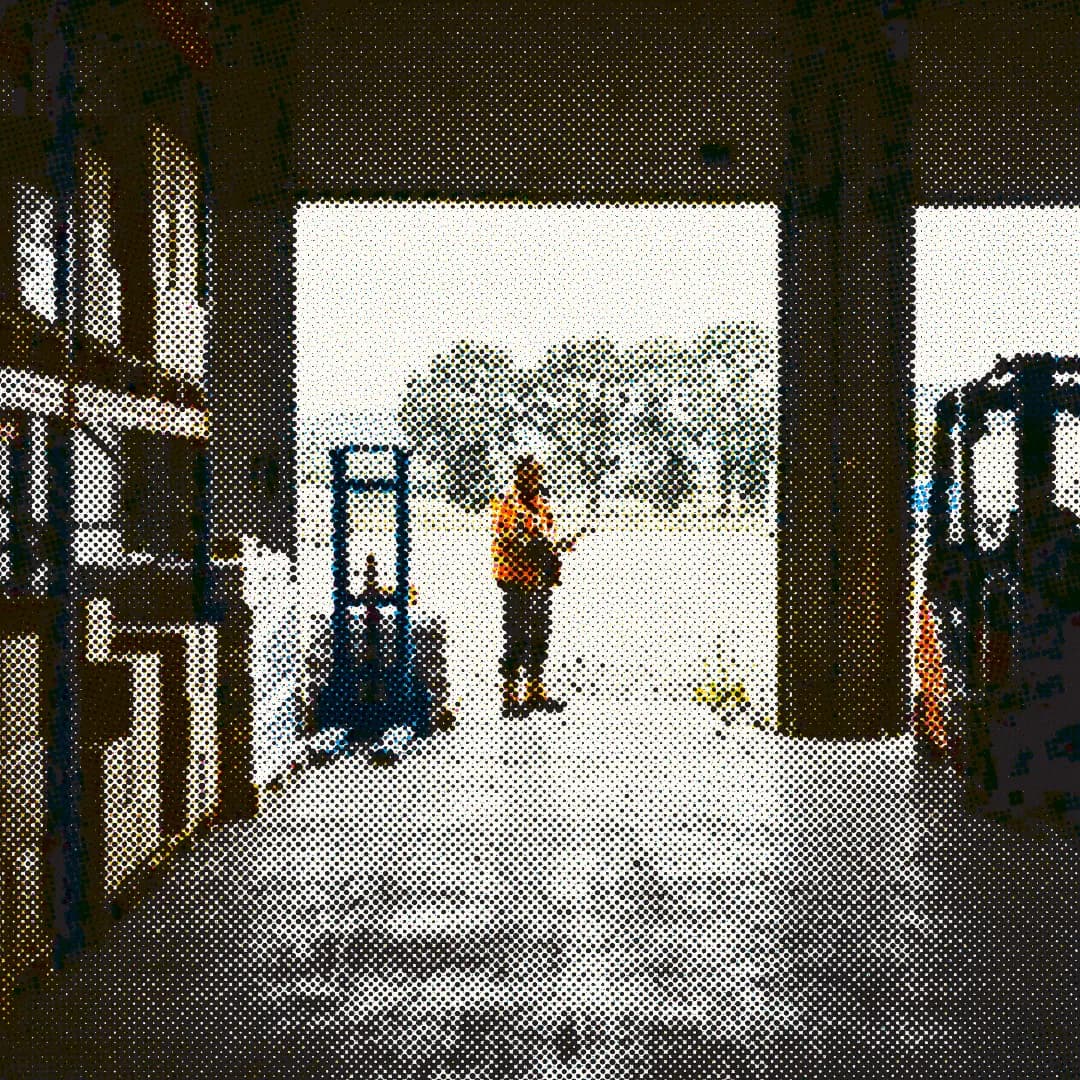
Your procurement team doesn't say "purchase order confirmed." They forward a WhatsApp voice note that says "boss confirmed, 400 tons, same price." Your logistics coordinator doesn't update ERP fields. She pastes shipping costs into a shared Excel and highlights the ones that look off in yellow.
We know, because we've been in the room. Before we build anything, we shadow your teams and learn the real workflow with all of its terminology, workarounds, and the ten exceptions that make every "simple" process complicated. That knowledge gets encoded into everything we deliver. We call it operational context.
The system learns your product codes, your supplier names, your edge cases. When it's unsure, it asks. "I think this document is updated logistics vendor costs, right?" Your team confirms or corrects, and each correction makes it sharper.
The second tool we build doesn't start from scratch. The vocabulary your procurement team taught the system carries over to logistics. The context from logistics accelerates finance. Each build is faster than the last
A typical engagement timeline with Paloma
What this looks like in practice
At one of the world's largest packaging manufacturers, every core supply chain team was losing a week per month to manual reporting. Logistics assembled cost reports cell by cell. Procurement chased confirmations across three WhatsApp groups. Production checked stock levels manually and tracked orders arriving over email.
We shadowed each team, mapped where operations ran on software and where it fell apart if one person called in sick. We shared our findings with the IT director and CEO, agreed to focus the pilot on an AI data analyst for logistics, and set clear cost and time reduction targets. Then we built it alongside the logistics team, iterating daily based on their feedback.
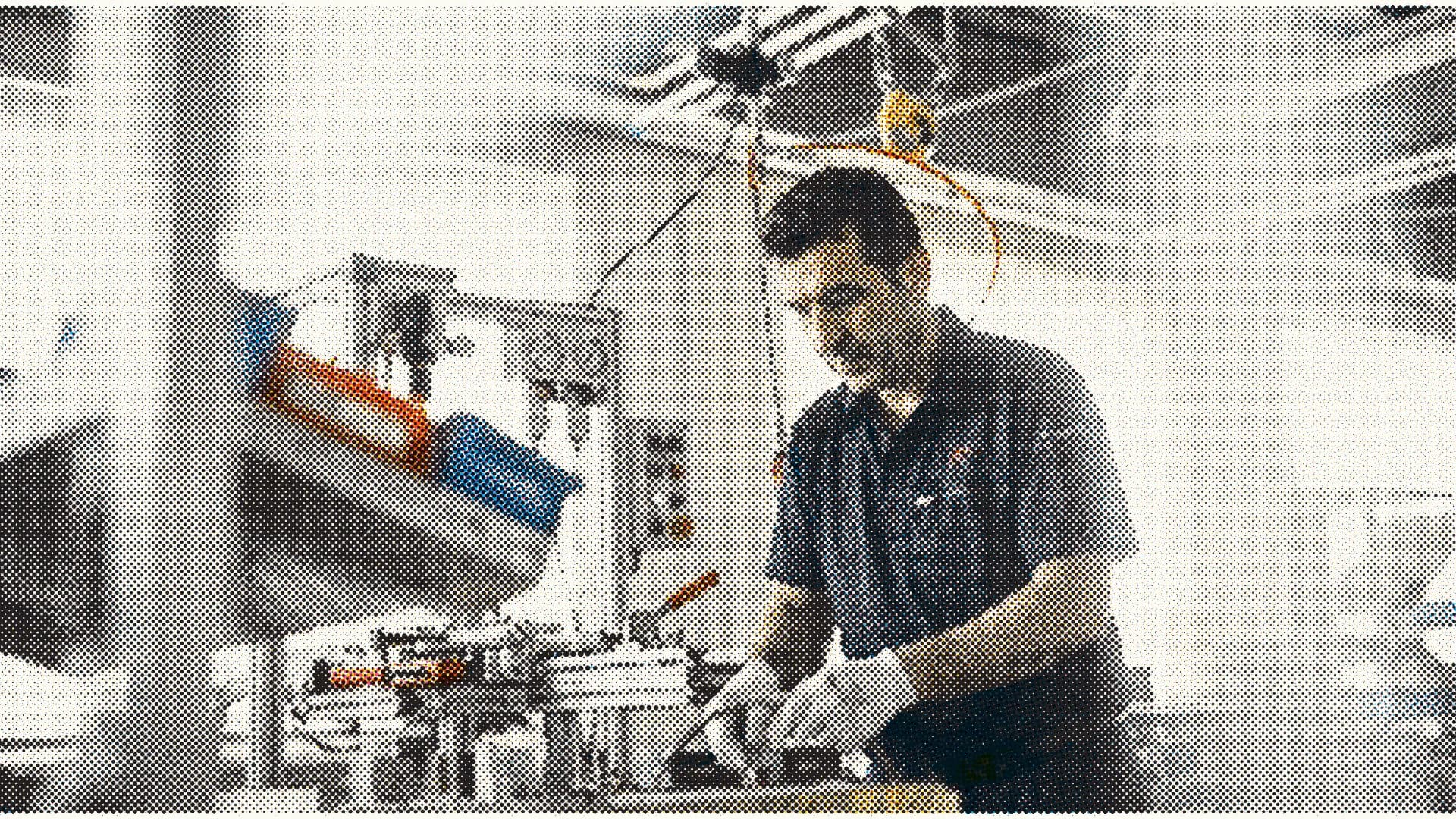
Unsure about how to automate your operations?
We occasionally run AI literacy and automation workshops for industry chambers, trade associations, and executive networks. If you're interested in scheduling one for your community, book a call with us.