Workflow Automation
Your systems don't talk to each other. So your people do it for them
Someone downloads an export, reformats it in Excel, and uploads it somewhere else. Someone reads a WhatsApp message, interprets the request, and manually enters it into the ERP. Someone checks a government portal, copies data into a spreadsheet, and emails it to the next person in the chain.
Every day. For every transaction.
This isn't a process failure. These systems were never built to work together. Your team fills the gap one copy-paste at a time.
The longer it goes on, the more it calcifies. The person who knows how to format the customs file becomes the person who always formats the customs file. The workaround becomes the process. And the people you hired for their judgment spend their days on data entry.

What changes with Paloma
We build software that handles the movement of data between your systems. Not scripts that break when a field changes. Software that understands the context of the data, validates it, routes it to the right place, and flags when something doesn't add up.
When "three bags of corn" shows up in a WhatsApp order, the system knows which SKU variant that means for that specific customer, based on their order history. When a customs record doesn't match, it tells you why and gives you enough context to resolve it in seconds.
Your team reviews exceptions. The machine handles volume. And the system builds context over time: your naming conventions, your product codes, your common edge cases. Match rates go up. Exception queues get shorter.
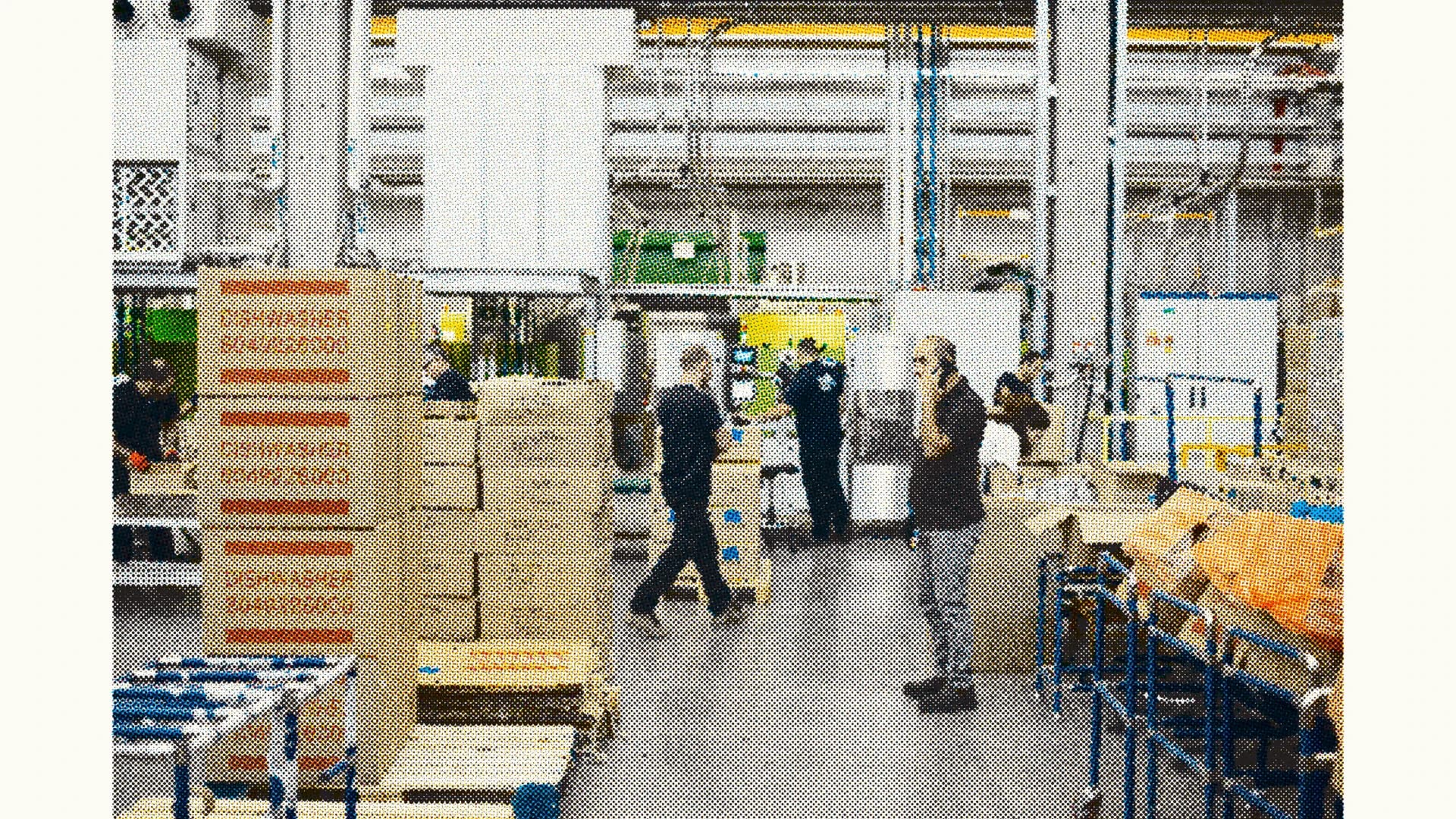
How an agricultural manufacturer automated field reporting with Paloma
Dozens of fields, multiple agronomists, hundreds of field workers. Messages come in as photos, voice notes, and shorthand text throughout the growing season. At headquarters, one person reads every message, interprets it, and enters the data into the crop plan. Same person updates three government portals every time a field status changes. Miss an update, the declaration is wrong. Enter it wrong, you start over.
We built a system that reads the incoming reports, interprets the shorthand, and structures the data automatically. Portal updates get flagged for a human to approve in seconds.